


EECP OM-A
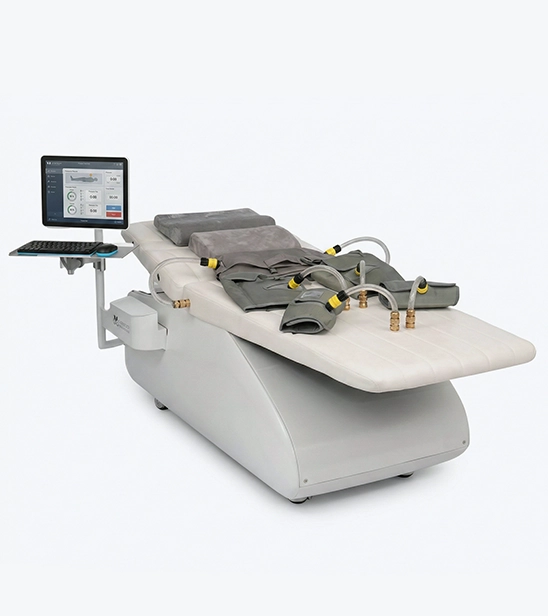
EECP OM-A is a non-invasive therapy system based on the Enhanced External Counter Pulsation principle, used in conditions related to the heart and circulatory system. It aims to help relieve symptoms such as chest pain, chest tightness, and insufficient blood flow, particularly associated with coronary artery disease. It also contributes to supporting collateral circulation, the “natural bypass” mechanism, by increasing blood flow to the heart.
Coronary Arteries and Disease Process
Coronary arteries are vessels that carry oxygen-rich blood to the heart muscle and are critical for proper cardiac function. Coronary artery disease occurs when these vessels narrow or become blocked, leading to insufficient blood supply to the heart muscle.
In such cases, symptoms such as chest pain, chest tightness, shortness of breath, and discomfort during exertion may occur. Hypertension, diabetes, and high lipid levels are among the associated risk factors.
EECP Approach
EECP OM-A is positioned as an alternative or complementary approach to conventional treatments such as medication, stents, and bypass surgery. Its non-invasive and non-surgical nature aims to support circulation without requiring interventional procedures.
The system operates in synchronization with the heart rhythm, helping to improve circulation and reduce the workload of the heart.
Working Principle
EECP OM-A operates in accordance with the patient’s heart rhythm. During treatment, the patient lies down, cuffs are placed on the calves, thighs, and hips, and heart rhythm is monitored via ECG.
During the resting phase of the heart, the cuffs inflate sequentially, directing blood from the lower body toward the heart. This helps increase blood flow to the heart muscle.
During the contraction phase, the cuffs deflate rapidly, reducing resistance against the heart’s pumping action. This mechanism is also described as an “external heart” effect that supports circulation.
Treatment Process
EECP OM-A treatment is typically planned as a total of 35 sessions, each lasting approximately 1 hour. When applied 5 days per week, the treatment duration is about 7 weeks.
Alternatively, depending on the patient’s condition, two sessions per day can reduce the total duration to approximately 3.5 weeks.
During treatment, the patient usually experiences a sensation similar to a leg massage and can return to daily activities immediately after the session.
Pre-Treatment Considerations
Since the cuffs apply pressure during treatment, it is recommended to wear soft, well-fitting clothing.
It is advised to avoid heavy meals before the session and to address restroom needs in advance. Excessive caffeine consumption should also be avoided before treatment, as it may affect heart rhythm.
Post-Treatment Evaluation
Treatment effectiveness is evaluated based on changes in clinical symptoms and various diagnostic tests.
Improvements in shortness of breath, chest pain, walking capacity, and daily activity performance are considered indicators of clinical improvement.
Comparisons can be made before and after treatment using echocardiography, myocardial perfusion scintigraphy (SPECT), and exercise tests.
Areas of Use
EECP OM-A is primarily used to improve symptoms of insufficient blood flow and angina related to coronary artery disease. It also plays a supportive role in cardiac rehabilitation processes.
In addition, it may be used in cardiovascular and cerebrovascular ischemic diseases, post-cerebral infarction rehabilitation, circulatory disorders, dizziness, fatigue, and certain metabolic-related complaints.
Device Features
EECP OM-A operates in synchronization with the heartbeat and is triggered by ECG signals. It supports directing blood from the lower body to the heart by sequentially inflating and deflating lower extremity cuffs.
The compressor and valve systems are designed for durability and long-term use. It offers features such as remote diagnosis, patient management systems, and real-time ECG and SpO₂ monitoring.
The device provides comfortable use with low noise and low heat generation. Pressure and timing settings can be adjusted individually for each patient.
Technical Specifications
EECP OM-A operates within a pressure range of 50–350 mmHg and is suitable for heart rates between 35–125 bpm.
It is equipped with ECG monitoring, oxygen saturation measurement, and digital filtering systems. It offers cuff options suitable for both adults and pediatric patients.
Session duration is controlled by a timer, and the device automatically stops at the end of the session. It is also equipped with an emergency stop system and various safety mechanisms.
Safety and Certification
EECP OM-A holds international certifications such as FDA, CE, ISO13485, and SFDA. Its safety system includes automatic shutdown mechanisms based on heart rate, pressure levels, and electrical conditions.
General Overview
EECP OM-A is positioned as a non-invasive, passive exercise-based therapy system that supports circulation. It provides supportive use in various circulatory conditions, especially coronary artery disease.
With advanced monitoring features, safety mechanisms, flexible treatment protocols, and a patient comfort-oriented design, it offers a comprehensive solution for clinical applications.